Putin, a drug-free protective dye controlled by "Maduro" without any scratches.
An in-depth look at the secret operation in central Karakas: Pete Hegeth and the mockery that shakes Russian weapons.
In a world of international politics and global security, nothing can create a highlight comparable to the success of an unforeseen military operation, especially when it takes place in the middle of the capital of a country that has long been in conflict with the United States, such as Venezuela, recently Pete Hegeth, the US Secretary of Defense (or the so-called War Department) has released information that forces the world to look at the military capabilities of a new Western power, such as Russia, again.
This event was not only about the arrest of key figures such as Nicolas Maduro, but it was a victory declaration in technology and communications that Pete Hegeth used as a tool to send a mocking message to Vladimir Putin directly to the Russian defense system without a drug when confronted with the best of the best from the US military.
Lightning Lab operation: 200 people over the village of Karagasu.
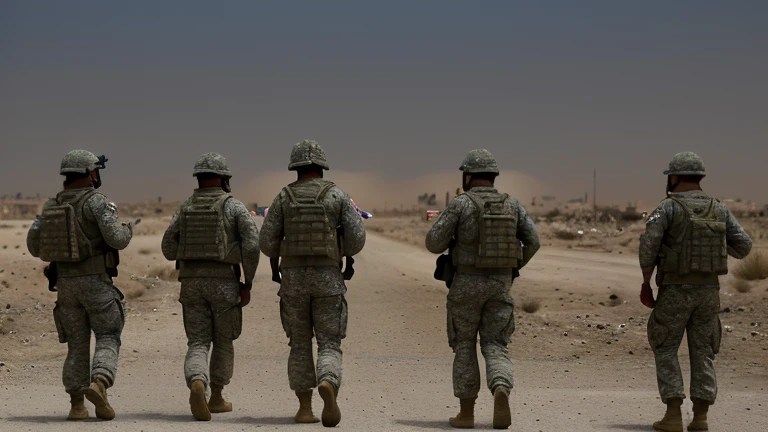
Back in a quiet night a few days ago, in the middle of the central city of Caracas, Venezuela, an area that should have been the most secure and protected by the best air defense technology Russia could provide was easily penetrated by a US special operations unit of nearly 200 personnel.
Pete Hegseth has made it clear that these top officers traveled to the heart of the capital to enforce the law and control individuals needed by the American justice system, and the most amazing thing about this mission is that not only did it reach a target, but that all 200 officers were able to successfully complete the mission and withdraw "without a hitch" without any loss or casualty occurring in any case, either in terms of casualties or injuries.
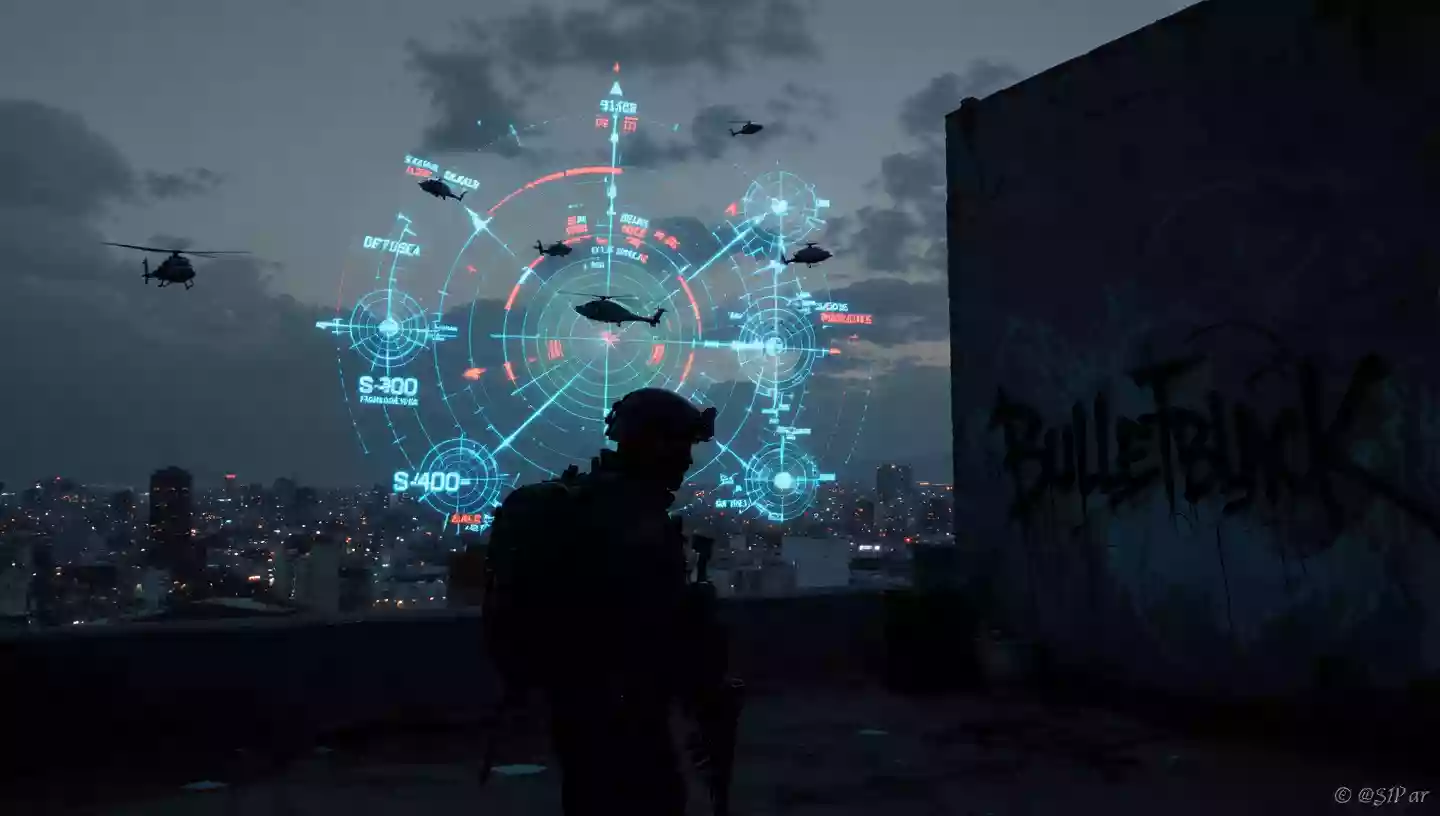
Russian waterproof defense system: the failure of S-300 and S-400 technologies?
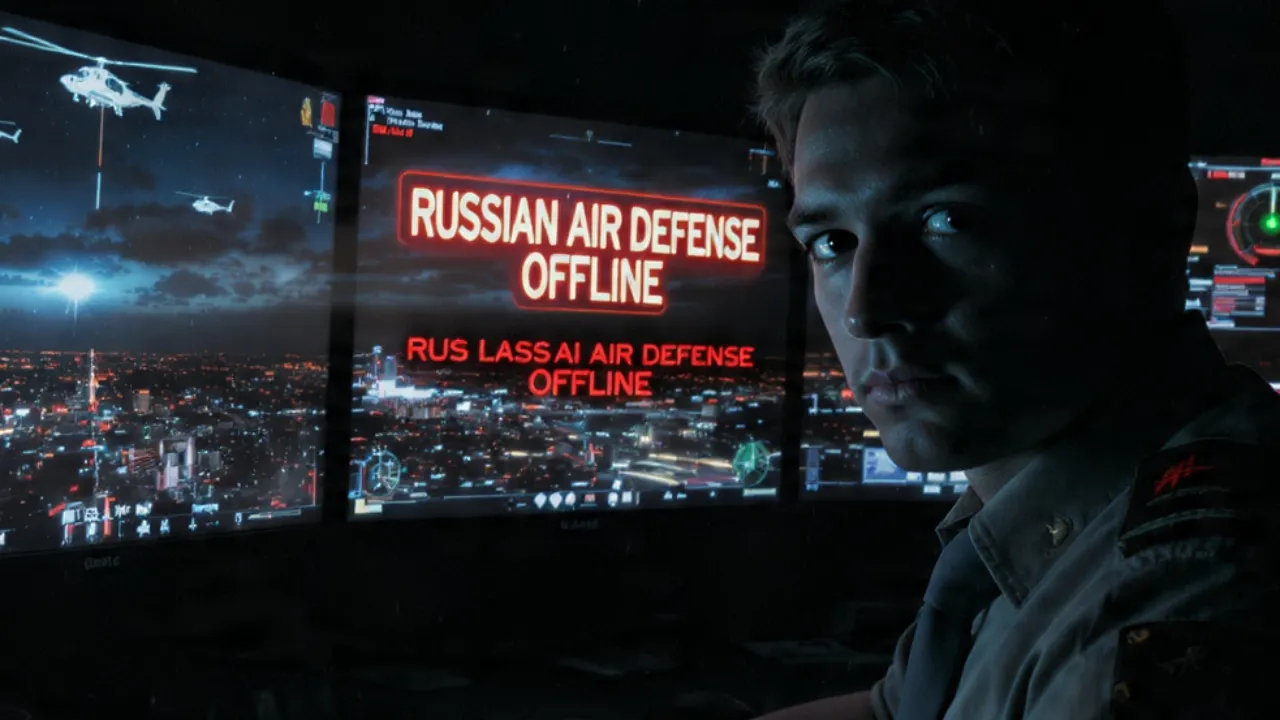
A key heart that Pete Hegeth has pointed out is the question, "Does not the Russian air defense system work so well?" This question did not come up loose because it is well known that Venezuela is a major customer of Russian weapons, especially the S-300 family of air defense systems that claim to detect and destroy all sorts of targets at a distance
1.Radar drift: from the expert's point of view
The fact that a U.S. helicopter or a U.S. patrol plane could carry nearly 200 officers into the capital unchecked indicates that U.S. Stealth technology or Electronic Warfare is completely superior to Russian radar systems.
Failure to respond: Even during the operation.
Of course, there must be a visible movement of troops, but the security system is getting closer, which indicates a large gap in the command and control system of Russian technology that is regularly operating abroad.
3. the loss of the face of the sovereign: Pete Hegeth
As you well know, this failure directly affects Russian confidence in world arms if even the center of Agas cannot be defended, then what are the other strategic points left?
Real use case: When law enforcement becomes a threat to the diplomatic system, it becomes a shock.
The case of Maduro's invasion is considered a very important case study in the military and diplomatic sectors because it changed the format from a full-fledged declaration of war to the use of a "special task force" for a specific purpose
In the past, an attack on a country's leader or key person might have required large paramilitary forces, but in the days of Pete Hegseth and the new form of administration, the United States has shown that it can only use 200 men to tackle root causes without leaving a trace.
Although this event was a great victory for the
Pete Hegseth and the U.S. military, but from the perspective of security experts, there is still a cautionary tale that needs to be carefully considered.
1. unformed response: The Russian defense system is now drug-free.
This could lead to Russia and its allies developing more asymmetrical warfare, such as using small-scale jet-propelled grenades or cyberattacks that are harder to detect than ever before.
A dispute that could lead to an end: the United States's handling of the dispute.
Breaking into the center of another country's capital, even if claimed to be for law enforcement, remains a hotly debated topic in international law, which could set new standards on the world stage.
3. pressure on the Russian defense industry:
Data from Pete Hegeth, this time turned into a nightmare for the arms sales of Russia, and countries around the world that once relied on Moscow's defense system may have to rethink whether those weapons can actually protect US technology.
What is happening in the center of Agas is not just the arrest of a prisoner, but it is sending a message that "nowhere can the US military go" and "no Russian shield that the US does not pierce" words of Pete Hegeth, who emphasizes the inefficiency of the Russian air defense system is to wage a highly advanced psychological warfare that will obviously reduce Putin's retirement.
From that point onward, the history of modern warfare has been reimagined, and Pete Hegseth will be remembered as the man who insisted that in the real technological warfare arena, who exactly owns the real skyrocket, where the American side does not have to lose even a drop of blood on a mission that the rest of the world thinks is impossible.
Related and Recommended Articles:
- •
- • Latest article: เสียงเฮดังลั่นเดชอุดม น้องไก่พาไทยคว้าแชมป์ มุ่งหน้าสู่โอลิมปิก
- • Popular article: World UFO Day: The belief in aliens