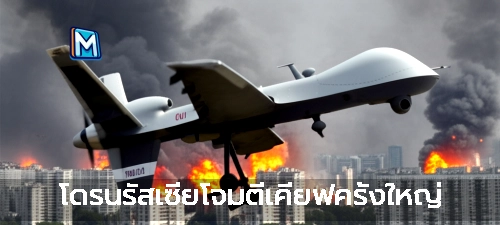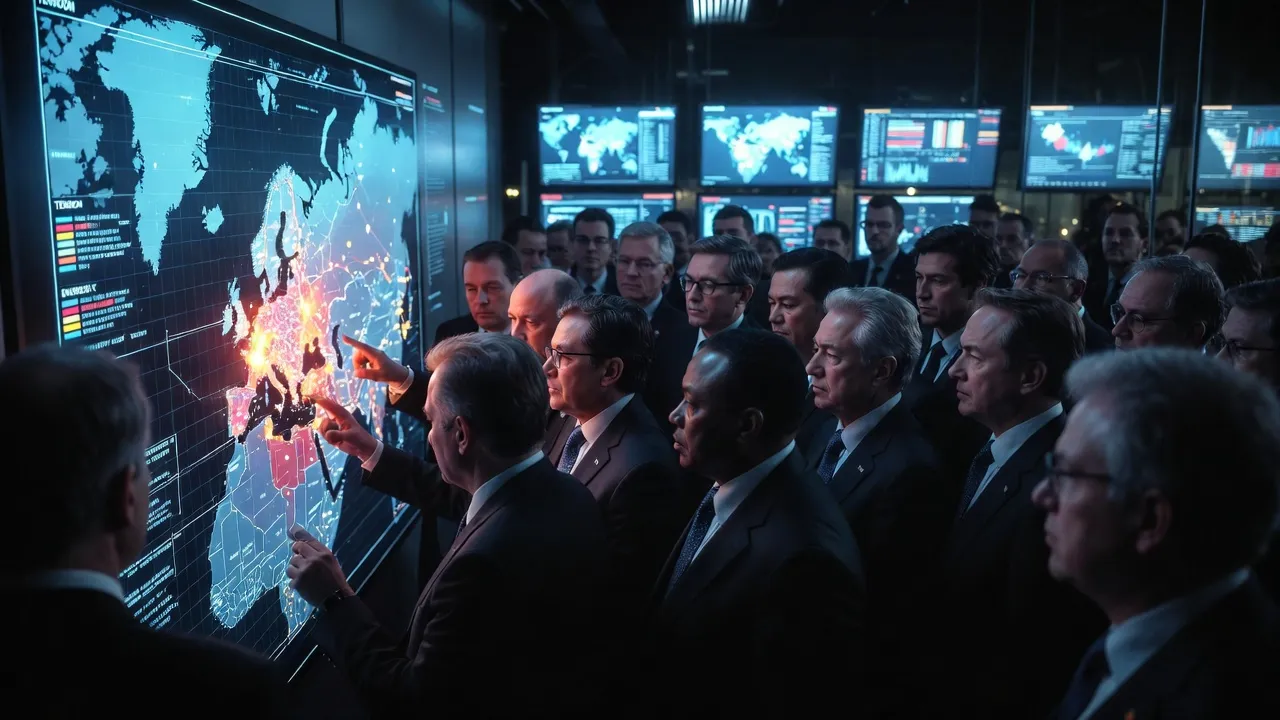
International analysts suggest that the latest developments could mark an important turning point in contemporary geopolitics. Key decision-makers are closely evaluating the potential consequences for regional stability and global economic conditions.
According to diplomatic sources, several channels of communication have been activated to help manage the situation. Existing security frameworks and policy structures are expected to come under closer review as authorities work to limit immediate risks while aligning with longer-term strategic objectives.

Financial markets have reacted quickly, with traders and institutional investors monitoring every official statement and movement in energy prices. Historical patterns indicate that periods of heightened tension often generate short-term volatility but can also lead to clearer policy agreements once negotiations progress.
For now, the overall outlook remains uncertain. More clarity is expected as governments, international organizations and industry leaders respond to the shifting dynamics on the ground.
Related and Recommended Articles:
- • From this author: Why Japan and Australia Won’t Send Warships to Hormuz
- • Latest article: Pae Ban Hao: Ubon’s New Riverside Adventure Spot in 2026
- • Popular article: Understanding the elderly, love for the dull.